Filter by
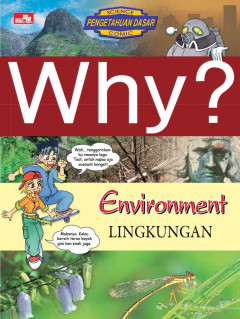
Why ? Environment
WHY? Environment introduces young readers to the fascinating world of our planet and the importance of protecting it. The book explains key environmental concepts such as ecosystems, natural resources, pollution, and conservation in a clear and engaging way. Through colorful illustrations, real-life examples, and simple explanations, readers learn how humans impact the environment, why biodi…
- Edition
- -
- ISBN/ISSN
- -
- Collation
- -
- Series Title
- -
- Call Number
- 2.500.0082.C.U

Why? The Sea Laut (Science Comic)
WHY? The Sea (Science Comic) takes young readers on an exciting and colorful journey into the world of oceans. Using a comic-style format, the book explains the science of the sea, including waves, tides, marine life, and the importance of oceans for life on Earth. Through engaging illustrations, fun dialogues, and interesting facts, readers learn about the creatures that inhabit the oceans,…
- Edition
- -
- ISBN/ISSN
- -
- Collation
- -
- Series Title
- -
- Call Number
- 2.500.0181.B.U
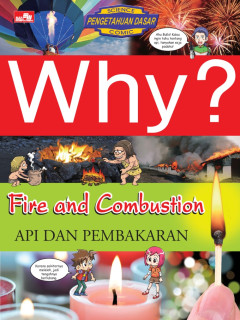
WHY ? Fire and Combustion
WHY? Fire and Combustion introduces young readers to the fascinating science behind fire and how combustion works. The book explains what fire is, how it starts, and why it needs fuel, heat, and oxygen to burn. Through colorful illustrations, real-life examples, and simple experiments, readers learn about different types of fire, safe ways to use it, and the chemical reactions that make comb…
- Edition
- -
- ISBN/ISSN
- -
- Collation
- -
- Series Title
- -
- Call Number
- 2.500.0057.C.U
WHY ? Numbers and Math
WHY? Numbers and Math is an engaging book that introduces young readers to the fascinating world of numbers and mathematics. The book answers common questions about counting, patterns, shapes, measurements, and everyday uses of math in a fun and easy-to-understand way. Through colorful illustrations, real-life examples, and interactive activities, readers learn how math helps solve problems,…
- Edition
- -
- ISBN/ISSN
- -
- Collation
- -
- Series Title
- -
- Call Number
- 2.500.0037.C.U

Aku Bertanya Sains Menjawab - Seri 9 Cuaca dan Iklim
This book explains how weather is formed, the factors that influence climate, and the differences between daily weather and long-term climate patterns. Through colorful illustrations, clear explanations, and engaging examples, readers learn about rain, snow, wind, storms, and extreme weather events. The book also explores the effects of climate change and how humans can adapt to and protect …
- Edition
- -
- ISBN/ISSN
- -
- Collation
- -
- Series Title
- -
- Call Number
- 2.500.0093.C.U

Aku Bertanya Sains Menjawab - Seri 10 Laut dan Ekosistemnya
This book explains the structure of oceans, the different habitats within them, and the many plants and animals that live in these watery worlds. Through colorful illustrations, engaging facts, and simple explanations, readers learn about coral reefs, marine mammals, fish, and the importance of oceans for the planet. The book also highlights how human activities affect marine ecosystems and …
- Edition
- -
- ISBN/ISSN
- -
- Collation
- -
- Series Title
- -
- Call Number
- 2.500.0100.C.U

Aku Bertanya Sains Menjawab - Seri 5 Serangga dan Laba-Laba
This book explains their unique characteristics, life cycles, behaviors, and habitats, from buzzing bees and colorful butterflies to clever spiders and crawling ants. Through engaging illustrations, fun facts, and simple explanations, readers learn how these small creatures survive, find food, build homes, and play important roles in nature. The book also explores the diversity of insects an…
- Edition
- -
- ISBN/ISSN
- -
- Collation
- -
- Series Title
- -
- Call Number
- 2.500.0099.C.U

Aku Bertanya Sains Menjawab - Seri 4 Burung
This book explains the unique features, behaviors, and habitats of birds, from their feathers and wings to their songs and migration patterns. Through engaging illustrations, fun facts, and easy-to-understand explanations, readers learn how birds fly, find food, build nests, and care for their young. The book also highlights the importance of birds in ecosystems and their role in nature. …
- Edition
- -
- ISBN/ISSN
- -
- Collation
- -
- Series Title
- -
- Call Number
- 2.500.0098.C.U

Aku Bertanya Sains Menjawab - Seri 3 Reptil dan Amfibi
This book explains the unique characteristics, behaviors, and habitats of these cold-blooded animals, including snakes, lizards, frogs, and salamanders. Through colorful illustrations, fun facts, and simple explanations, readers learn how these animals survive, reproduce, and adapt to their environments. The book also explores their role in ecosystems and why they are important for nature. …
- Edition
- -
- ISBN/ISSN
- -
- Collation
- -
- Series Title
- -
- Call Number
- 2.500.0097.C.U

Aku Bertanya Sains Menjawab - Seri 7 Antariksa dan Benda Langit
This book explains the solar system, stars, planets, moons, asteroids, comets, and other celestial objects in a way that is fun and easy to understand. Through colorful illustrations, fascinating facts, and clear explanations, readers learn how space works, how celestial bodies move, and how scientists explore the mysteries of the universe. The book also sparks curiosity about space travel, …
- Edition
- -
- ISBN/ISSN
- -
- Collation
- -
- Series Title
- -
- Call Number
- 2.500.0103.C.U
 Computer Science, Information & General Works
  Philosophy & Psychology
  Religion
  Social Sciences
  Language
  Pure Science
  Applied Sciences
  Art & Recreation
  Literature
  History & Geography