Filter by
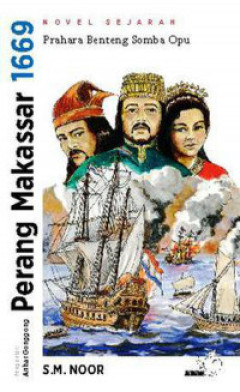
Perang Makassar 1669
This abstract analyzes the critical final phase of the Makassar War (1666–1669), culminating in the decisive June 1669 siege and fall of the Somba Opu fortress. The conflict was primarily driven by the structural incompatibility between the Gowa Sultanate’s open maritime trading system and the Dutch East India Company’s (VOC) aggressive push for a commercial monopoly over the eastern Indo…
- Edition
- -
- ISBN/ISSN
- -
- Collation
- -
- Series Title
- -
- Call Number
- 4.810.0059.B.U
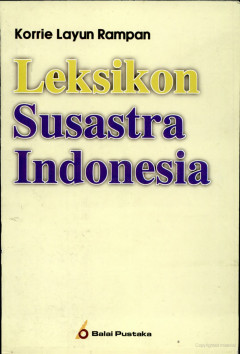
Leksikon Susastra Indonesia
The Leksikon Susastra Indonesia serves as an essential, comprehensive reference work documenting the rich tapestry of Indonesian literature from its traditional roots to contemporary developments. This lexicon systematically compiles, defines, and contextualizes critical literary terms, genres, historical movements, and major authors who have shaped the nation's literary identity. By providing …
- Edition
- -
- ISBN/ISSN
- -
- Collation
- -
- Series Title
- -
- Call Number
- 4.810.0004.B.U
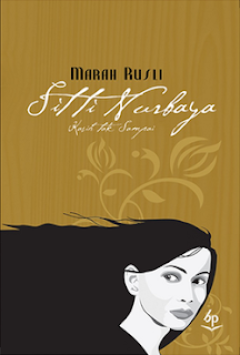
Siti Nurbaya Kasih Tak Sampai
"Siti Nurbaya: Kasih Tak Sampai", a specialized digital repository inspired by Marah Rusli’s seminal Indonesian literary masterpiece. Designed to bridge traditional cultural narratives with modern educational technology, this digital library serves as an interactive platform for preserving classical Indonesian literature, folklore, and regional history. By leveraging user-friendly digital too…
- Edition
- -
- ISBN/ISSN
- -
- Collation
- -
- Series Title
- -
- Call Number
- 4.810.0003.B.U

Puisi - Puisi Cinta
This abstract investigates the stylistic, thematic, and philosophical trajectory of modern Indonesian love poetry (puisi-puisi cinta) from the early 20th century to the contemporary era. Far from being merely a vehicle for sentimental expression, romantic poetry in Indonesia has historically served as a mirror for shifting socio-cultural landscapes, linguistic experimentation, and existential i…
- Edition
- -
- ISBN/ISSN
- -
- Collation
- -
- Series Title
- -
- Call Number
- 4.811.0002.A.U
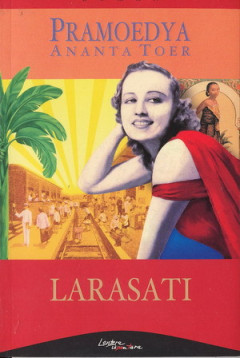
Larasati
Here is a formal academic abstract in English for Pramoedya Ananta Toer’s 1960 novel, Larasati, which shifts the perspective of the Indonesian National Revolution to the experiences of an artist on the front lines: Abstract Title: Art, Body, and Revolution: Female Agency and National Identity in Pramoedya Ananta Toer’s Larasati (1960) This abstract examines the intersection of gender…
- Edition
- -
- ISBN/ISSN
- -
- Collation
- -
- Series Title
- -
- Call Number
- 4.810.0027.B.U
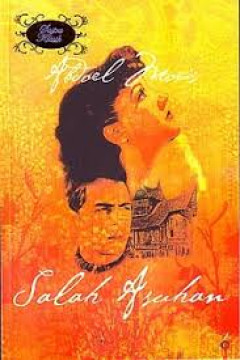
Salah Asuhan
This abstract analyzes the socio-cultural complexities of colonial society in the Dutch East Indies through Abdoel Moeis’ seminal 1928 novel, Salah Asuhan (Wrong Upbringing). Set during the height of the ethical policy era, the narrative follows Hanafi, a Western-educated Minangkabau man who undergoes legal European assimilation (gelijkgesteld), leading to deep psychological alienation and th…
- Edition
- -
- ISBN/ISSN
- -
- Collation
- -
- Series Title
- -
- Call Number
- 4.810.0021.B.U
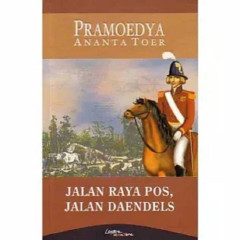
Jalan Raya Pos, Jalan Daendels
This abstract examines the construction and historical legacy of the Jalan Raya Pos (The Great Post Road), a 1,000-kilometer thoroughfare spanning the length of Java from Anyer to Panarukan. Commissioned in 1808 by Governor-General Herman Willem Daendels under the French-backed Batavian Republic, the road was conceived primarily as a strategic military defense asset to protect Java from British…
- Edition
- -
- ISBN/ISSN
- -
- Collation
- -
- Series Title
- -
- Call Number
- 4.810.0025.B.U

a life less ordinary Dari Gelap Kepada Terang
Here is a brief, formal abstract in English combining the concept of "a life less ordinary" (an extraordinary, unconventional journey) with the theme of Dari Gelap Kepada Terang (From Darkness to Light / Habis Gelap Terbitlah Terang): Abstract Title: A Life Less Ordinary: Navigating the Philosophical and Cultural Journey from Darkness to Light (Dari Gelap Kepada Terang) This abstract exp…
- Edition
- -
- ISBN/ISSN
- -
- Collation
- -
- Series Title
- -
- Call Number
- 4.810.0048.B.U
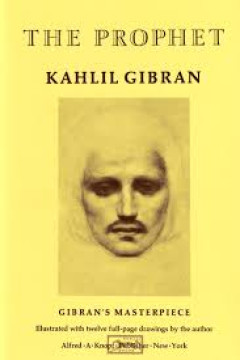
The Prophet
First published in 1923, The Prophet is a timeless masterpiece of philosophical fiction and prose poetry by Lebanese-American artist and philosopher Kahlil Gibran. The narrative follows a wise prophet named Almustafa, who has lived in the foreign city of Orphalese for twelve years and is finally about to board a ship to return to his homeland. Before he departs, a group of townspeople stops him…
- Edition
- -
- ISBN/ISSN
- -
- Collation
- -
- Series Title
- -
- Call Number
- 4.820.0001.B.U
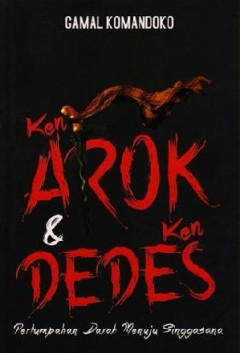
Ken Arok & Ken Dedes
The story of Ken Arok and Ken Dedes is a monumental historical epic from 13th-century Java, chronicled in the ancient Javanese text Pararaton (The Book of Kings). It details the meteoric rise of Ken Arok, a charismatic street thief and orphan of divine lineage, who transforms into the founder and first ruler of the Singhasari Kingdom. His destiny becomes inextricably linked with Ken Dedes, a wo…
- Edition
- -
- ISBN/ISSN
- -
- Collation
- -
- Series Title
- -
- Call Number
- 4.810.0002.B.U
 Computer Science, Information & General Works
  Philosophy & Psychology
  Religion
  Social Sciences
  Language
  Pure Science
  Applied Sciences
  Art & Recreation
  Literature
  History & Geography