Filter by
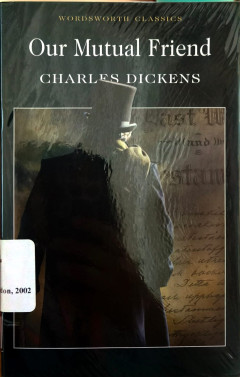
Our Mutual Friend
Published in serial installments between 1864 and 1865, Our Mutual Friend is Charles Dickens’s final completed novel. A sweeping, darkly satirical masterpiece, it explores the corrupting power of money, the suffocating grip of social class, and the resilience of human kindness against the murky, fog-choked backdrop of the River Thames and the Victorian London dust-heaps.
- Edition
- -
- ISBN/ISSN
- -
- Collation
- -
- Series Title
- -
- Call Number
- 4.823.0439.B.U
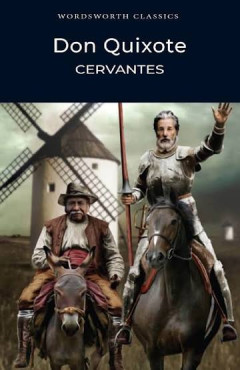
Don Quixote
The story follows Alonso Quixano, a middle-aged Spanish country gentleman who reads so many chivalric romances that he loses his mind. Convinced he is a heroic knight-errant destined to revive chivalry and protect the helpless, he renames himself Don Quixote de la Mancha. Decked out in a rusty, mismatched suit of armor and riding a scrawny old horse named Rocinante, he recruits a simple, pra…
- Edition
- -
- ISBN/ISSN
- -
- Collation
- -
- Series Title
- -
- Call Number
- 4.823.0285.B.U
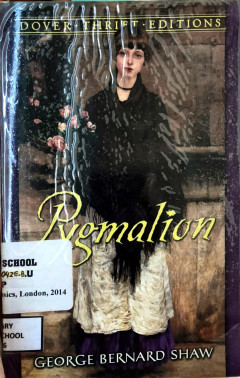
Pygmalion
One of the most famous and biting theatrical comedies in the English language, George Bernard Shaw’s Pygmalion is a sharp social satire on class, speech, identity, and the artificiality of British social boundaries. Named after the mythical Greek sculptor who fell in love with his own creation, the play explores what happens when a brilliant phonetics professor attempts to sculpt a Cockney fl…
- Edition
- -
- ISBN/ISSN
- -
- Collation
- -
- Series Title
- -
- Call Number
- 4.823.0426.B.U
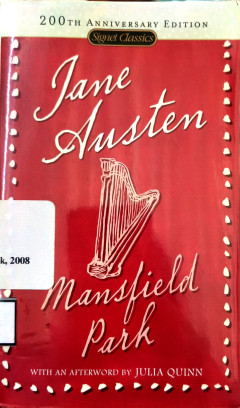
Mansfield Park
Often considered Jane Austen’s most mature, morally complex, and socially acute novel, Mansfield Park departs from the sparkling romantic comedy of Pride and Prejudice. Instead, it offers a quiet, deeply observant examination of morality, steadfast integrity, social class, and the quiet corruptions of the English country house.
- Edition
- -
- ISBN/ISSN
- -
- Collation
- -
- Series Title
- -
- Call Number
- 4.823.0486.B.U
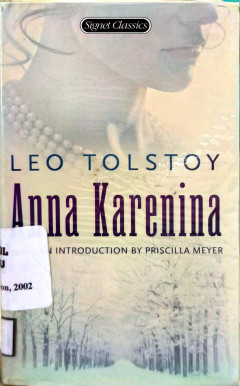
Anna Karenina
Widely regarded as one of the greatest novels ever written, Leo Tolstoy’s monumental masterpiece is a sweeping epic of 19th-century Russian high society. Centering on the tragic romance of its title character and the quiet soul-searching of the landowner Levin, the novel explores love, marriage, family, social hypocrisy, and the search for spiritual meaning.
- Edition
- -
- ISBN/ISSN
- -
- Collation
- -
- Series Title
- -
- Call Number
- 4.823.0041.B.U
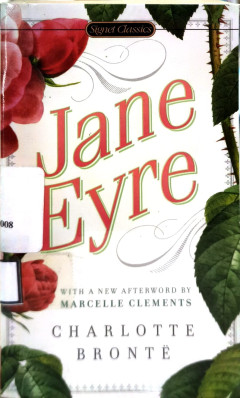
Jane Eyre
Published under the male pseudonym "Currer Bell," Charlotte Brontë’s masterpiece is a groundbreaking blend of Gothic romance, social critique, and a fierce bildungsroman. It tells the powerful story of an orphaned girl who refuses to let poverty, cruelty, or societal oppression crush her unshakeable spirit, moral integrity, and deep sense of self-worth.
- Edition
- -
- ISBN/ISSN
- -
- Collation
- -
- Series Title
- -
- Call Number
- 4.823.0030.B.U
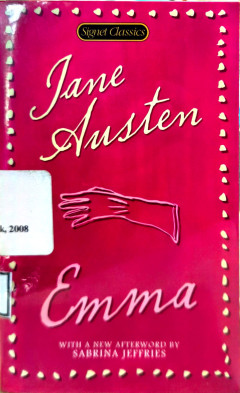
Emma
Widely celebrated as one of Jane Austen’s most sparkling and structurally flawless achievements, Emma is a brilliant comedy of manners. Set in the quiet, insular village of Highbury, the novel explores the comedic and emotional dangers of imagination, social snobbery, self-deception, and the bumpy road to self-awareness.
- Edition
- -
- ISBN/ISSN
- -
- Collation
- -
- Series Title
- -
- Call Number
- 4.823.0045.B.U
The Best of Oscar Wilde
Oscar Wilde (1854–1900) remains one of the most brilliant, witty, and flamboyant figures in literary history. As a leading champion of the aesthetic movement (art for art's sake), Wilde infused his work with sparkling epigrams, profound social satire, paradoxical philosophy, and rich, gothic beauty. Below is an overview of his finest and most enduring masterpieces across plays, fiction, an…
- Edition
- -
- ISBN/ISSN
- -
- Collation
- -
- Series Title
- -
- Call Number
- 4.823.0650.B.U

12 Years a Slave A True Story
Solomon Northup was born a free citizen in upstate New York, where he lived a stable life as a skilled violinist, working man, and family man with his wife and children. In 1841, he was lured away to Washington, D.C., under the false pretense of a lucrative job playing music with a traveling circus. Instead of finding work, he was drugged, chained, and stripped of his papers and identity. Re…
- Edition
- -
- ISBN/ISSN
- -
- Collation
- -
- Series Title
- -
- Call Number
- 4.823.0491.B.U
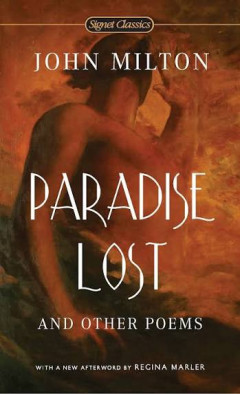
Paradise Lost and Other Stories
While John Milton’s Paradise Lost is not a collection of prose short stories, it is the most famous epic poem in the English language. Written in blank verse across 12 books (in its final 1674 edition), it reimagines the biblical account of the Fall of Man—the temptation of Adam and Eve by Satan, and their subsequent expulsion from the Garden of Eden.
- Edition
- -
- ISBN/ISSN
- -
- Collation
- -
- Series Title
- -
- Call Number
- 4.823.0679.B.U
 Computer Science, Information & General Works
  Philosophy & Psychology
  Religion
  Social Sciences
  Language
  Pure Science
  Applied Sciences
  Art & Recreation
  Literature
  History & Geography