Art Original
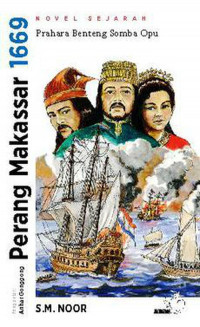
Perang Makassar 1669
This abstract analyzes the critical final phase of the Makassar War (1666–1669), culminating in the decisive June 1669 siege and fall of the Somba Opu fortress. The conflict was primarily driven by the structural incompatibility between the Gowa Sultanate’s open maritime trading system and the Dutch East India Company’s (VOC) aggressive push for a commercial monopoly over the eastern Indonesian spice routes. Led by Sultan Hasanuddin, Gowa initially resisted European encroachment, prompting the VOC to form a strategic military coalition with regional allies, most notably Arung Palakka of the Buginese Kingdom of Bone. Although the temporary 1667 Treaty of Bungaya attempted to curb Gowa's regional dominance, hostilities resumed, forcing a massive, coordinated amphibious and land assault by VOC-Bugis forces in 1669. The destruction of Somba Opu effectively dismantled Gowa as a primary maritime empire, fractured the local political architecture, and established the VOC’s economic hegemony while positioning Bone as the dominant native polity in South Sulawesi. Ultimately, the events of 1669 serve as a pivotal historical case study in early modern European corporate imperialism and indigenous resistance alliances
Availability
Detail Information
- Series Title
-
-
- Call Number
-
4.810.0059.B.U
- Publisher
- Jakarta : Kompas., 2011
- Collation
-
-
- Language
-
Indonesia
- ISBN/ISSN
-
-
- Classification
-
810
- Content Type
-
-
- Media Type
-
-
- Carrier Type
-
-
- Edition
-
-
- Subject(s)
- Specific Detail Info
-
-
- Statement of Responsibility
-
-
Other version/related
No other version available
File Attachment
Comments
You must be logged in to post a comment
 Computer Science, Information & General Works
  Philosophy & Psychology
  Religion
  Social Sciences
  Language
  Pure Science
  Applied Sciences
  Art & Recreation
  Literature
  History & Geography