Filter by
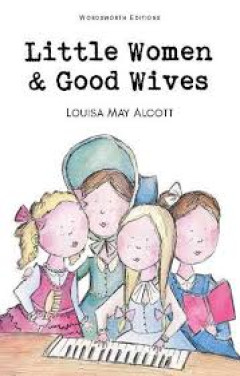
Little Women & Good Wives
Originally published in two separate volumes—Little Women (1868) and its sequel Good Wives (1869, later combined into a single novel)—this classic American coming-of-age story follows the lives of the four March sisters growing up in New England during and after the American Civil War. While their father is away serving as a Union army chaplain, the sisters—guided by their loving mothe…
- Edition
- -
- ISBN/ISSN
- -
- Collation
- -
- Series Title
- -
- Call Number
- 3.823.0006.B.U
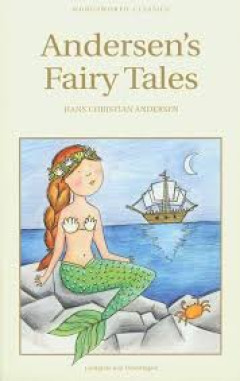
Andersen's Fairy Tales
Written by the Danish author and poet Hans Christian Andersen, Andersen's Fairy Tales is a foundational collection of world literature. Unlike the traditional folklore gathered by the Brothers Grimm, most of Andersen's stories are original literary fairy tales born entirely from his own imagination, blending deeply personal emotional resonance, philosophy, social satire, and melancholy. Whil…
- Edition
- -
- ISBN/ISSN
- -
- Collation
- -
- Series Title
- -
- Call Number
- 3.823.0012.B.U
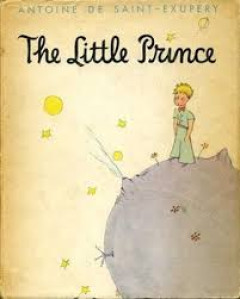
The Little Prince
The story is narrated by a pilot who has crashed his plane in the Sahara Desert. While struggling to repair his aircraft, he encounters the Little Prince—a young boy who has traveled to Earth from a tiny asteroid called B-612. As the pilot works, the Prince recounts his travels across other small planets, where he met various "grown-ups" who represent the absurdities of adult life: a king …
- Edition
- -
- ISBN/ISSN
- -
- Collation
- -
- Series Title
- -
- Call Number
- 3.823.0276.B.U
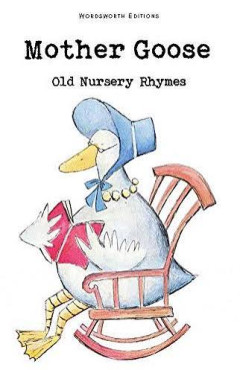
Mother Goose
Mother Goose is the fictitious, archetypal rustic countrywoman or grandmother figure associated with the traditional collection of English nursery rhymes, lullabies, and fairy tales. While she never existed as a single historical author, "Mother Goose" became the beloved collective persona for centuries of oral folklore, passed down through generations of British and European nannies, mother…
- Edition
- -
- ISBN/ISSN
- -
- Collation
- -
- Series Title
- -
- Call Number
- 3.823.0021.B.U
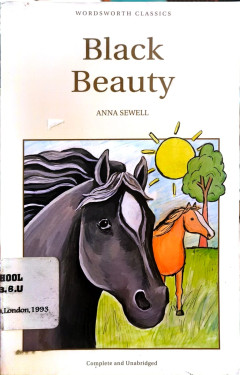
Black Beauty
Black Beauty is a classic 19th-century novel written by English author Anna Sewell. It is famously written from the first-person ("autobiographical") perspective of a handsome, well-bred black horse, making it one of the first animal-welfare novels and a cornerstone of children's literature.
- Edition
- -
- ISBN/ISSN
- -
- Collation
- -
- Series Title
- -
- Call Number
- 3.823.0003.B.U

The Jungle Book & The Second Jungle Book
These two connected collections of short stories and fables by British author Rudyard Kipling are masterworks of colonial literature, folklore, and adventure. Set primarily in the Seonee jungles of central India, the books explore themes of law, survival, identity, and the intricate balance of nature.
- Edition
- -
- ISBN/ISSN
- -
- Collation
- -
- Series Title
- -
- Call Number
- 3.823.0008.B.U


The Beatrix Potter Collection Volume One
While Beatrix Potter's 23 classic "little books" are frequently published together in a single omnibus (such as The Complete Tales), multi-volume budget sets—most notably the popular Wordsworth Children's Classics edition—split her works chronologically or topically into distinct volumes. Volume One typically features her earliest, most iconic animal classics, complete with Potter's orig…
- Edition
- -
- ISBN/ISSN
- -
- Collation
- -
- Series Title
- -
- Call Number
- 3.823.0007.B.U
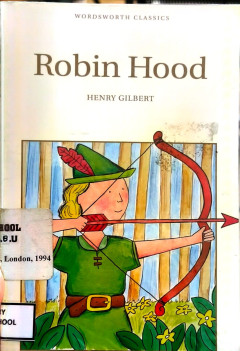
Robin Hood
Robin Hood is one of the most enduring archetypes in English folklore. While no single definitive text exists (unlike novels written by a single author), the legend is compiled from centuries of medieval ballads, theatrical plays, and later Victorian and modern adaptations. Set primarily during the reigns of King Richard the Lionheart and his villainous brother, Prince John, the tales follow…
- Edition
- -
- ISBN/ISSN
- -
- Collation
- -
- Series Title
- -
- Call Number
- 3.823.0018.B.U

The Beatrix Potter Collection Volume Two
Following up on foundational early works, Volume Two of Beatrix Potter's collected tales (such as the standard Wordsworth Children's Classics layout) typically rounds out her catalog, focusing on the later, highly polished animal stories published between roughly 1907 and 1930. These later tales expand beyond the simple garden walls of Mr. McGregor into broader country farms, Scottish highla…
- Edition
- -
- ISBN/ISSN
- -
- Collation
- -
- Series Title
- -
- Call Number
- 3.823.0026.B.U
 Computer Science, Information & General Works
  Philosophy & Psychology
  Religion
  Social Sciences
  Language
  Pure Science
  Applied Sciences
  Art & Recreation
  Literature
  History & Geography