Filter by

The Adventure of Tom Sawyer and The Adventure of Huckleberry Finn
Often hailed as the "Great American Novel," Adventures of Huckleberry Finn is the direct sequel to The Adventures of Tom Sawyer. While its predecessor is a nostalgic celebration of childhood, Huckleberry Finn shifts into a deeper, sharper, and more profound satirical masterpiece. Narrated entirely in first-person vernacular by Huck himself, the novel tackles the dark realities of slavery, insti…
- Edition
- -
- ISBN/ISSN
- -
- Collation
- -
- Series Title
- -
- Call Number
- 3.823.0608.B.U

A Journey to The Center of The Earth
One of the foundational masterpieces of science fiction, Jules Verne’s thrilling adventure novel combines 19th-century geology, paleontology, and harrowing underground exploration. It captures the eternal human drive to uncover the unknown secrets hidden beneath our feet.
- Edition
- -
- ISBN/ISSN
- -
- Collation
- -
- Series Title
- -
- Call Number
- 3.823.0601.B.U
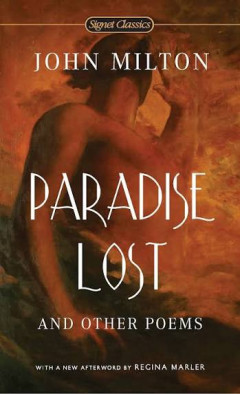
Paradise Lost and Other Stories
While John Milton’s Paradise Lost is not a collection of prose short stories, it is the most famous epic poem in the English language. Written in blank verse across 12 books (in its final 1674 edition), it reimagines the biblical account of the Fall of Man—the temptation of Adam and Eve by Satan, and their subsequent expulsion from the Garden of Eden.
- Edition
- -
- ISBN/ISSN
- -
- Collation
- -
- Series Title
- -
- Call Number
- 4.823.0679.B.U
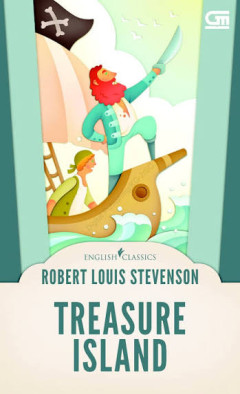
Treasure Island
Widely considered the quintessential pirate adventure story, Robert Louis Stevenson’s classic novel established almost every major pirate trope we know today—including tropical islands, black spots, buried treasure, parrots, and one-legged sailors with wooden peg-legs.
- Edition
- -
- ISBN/ISSN
- -
- Collation
- -
- Series Title
- -
- Call Number
- 3.823.0103.B.U
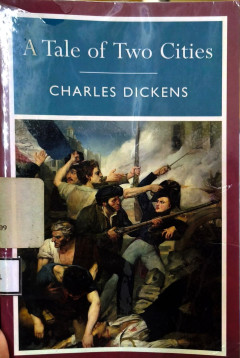
A Tale of Two Cities
Set against the tumultuous backdrop of the London and Paris before and during the French Revolution, A Tale of Two Cities is Charles Dickens’s historical masterpiece. Opening with one of the most famous lines in literature—"It was the best of times, it was the worst of times"—the novel explores themes of resurrection, sacrifice, oppression, and the destructive cycle of revenge.
- Edition
- -
- ISBN/ISSN
- -
- Collation
- -
- Series Title
- -
- Call Number
- 4.823.0070.B.U
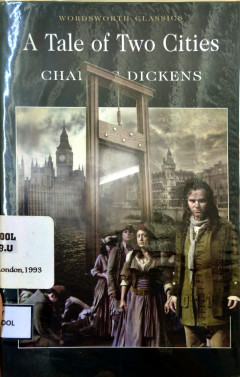
A Tale of Two Cities
A Tale of Two Cities is a historic novel written by Charles Dickens and published in 1859. Set against the backdrop of the bloody upheaval of the French Revolution, the story unfolds primarily in two cities: London and Paris. Famous for its iconic opening line—"It was the best of times, it was the worst of times"—the novel explores themes of resurrection, social injustice, sacrifice, and…
- Edition
- -
- ISBN/ISSN
- -
- Collation
- -
- Series Title
- -
- Call Number
- 4.823.0070.B.U
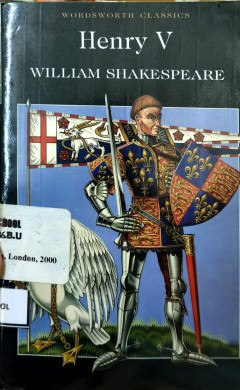
Henry V
Widely regarded as Shakespeare’s greatest patriotic drama, Henry V tells the stirring story of the young, charismatic English king who leads his outnumbered army to a miraculous victory against the French during the Hundred Years' War. It serves as both an epic war play and a profound study of leadership, honor, the heavy burdens of the crown, and the brutal realities of war.
- Edition
- -
- ISBN/ISSN
- -
- Collation
- -
- Series Title
- -
- Call Number
- 3.823.0286.B.U
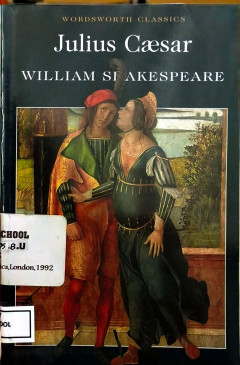
Julius Caesar
One of Shakespeare's most celebrated Roman historical plays, Julius Caesar is a gripping political thriller that explores ambition, corruption, manipulation, loyalty, and the chaotic aftermath of assassination. Rather than focusing entirely on Caesar himself, the play primarily centers on the moral turmoil of his friend and assassin, Brutus.
- Edition
- -
- ISBN/ISSN
- -
- Collation
- -
- Series Title
- -
- Call Number
- 3.823.0075.B.U
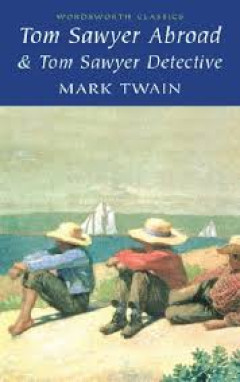
Tom Sawyer Abroad & Tom Sawyer Detective
Tom Sawyer Abroad (1894) and Tom Sawyer, Detective (1896) are two lesser-known sequel novellas written by Mark Twain. Unlike the classic novels The Adventures of Tom Sawyer and Adventures of Huckleberry Finn, these short adventures swap the Mississippi River for wild, globe-trotting spectacle and small-town crime-solving, all narrated from the perspective of Huck Finn.
- Edition
- -
- ISBN/ISSN
- -
- Collation
- -
- Series Title
- -
- Call Number
- 3.823.0051.B.U
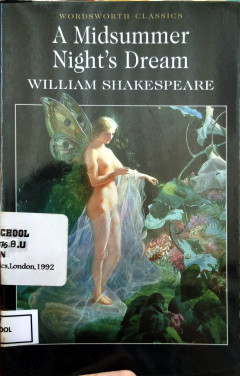
A Midsummer Night's Dream
The plot unfolds in the enchanted woods near Athens and centers on four young lovers—Hermia, Lysander, Helena, and Demetrius—who flee the city to escape a forced marriage. Once in the forest, they become pawns in a quarrel between Oberon, the King of the Fairies, and Titania, the Queen of the Fairies. Oberon instructs his mischievous servant, Puck, to use a magical flower whose juice can…
- Edition
- -
- ISBN/ISSN
- -
- Collation
- -
- Series Title
- -
- Call Number
- 4.823.0076.B.U
 Computer Science, Information & General Works
  Philosophy & Psychology
  Religion
  Social Sciences
  Language
  Pure Science
  Applied Sciences
  Art & Recreation
  Literature
  History & Geography